
Краткий ответ: сборные контейнерные дома В контейнерах можно перевозить больше единиц продукции — 14 комплектов в одном 40-футовом контейнере — при этом сборные контейнерные дома устанавливаются гораздо быстрее: около 15 минут на единицу против примерно 3 часов. Если решающим фактором является стоимость доставки, то предпочтительнее использовать сборные контейнеры. Если же ограничивающим фактором является рабочая сила на объекте или скорость, то предпочтительнее использовать сборные контейнеры. В большинстве проектов выбор делается исходя из того, какой из этих двух факторов важнее.
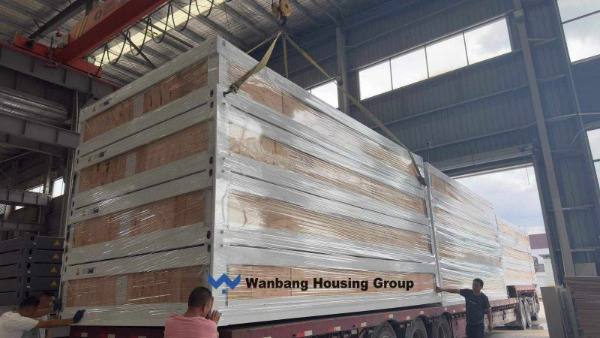
Оба типа представляют собой модульные конструкции из стали, изготовленные на заводе и поставляемые из Китая для рабочих лагерей, офисов на строительных площадках и жилья в отдаленных районах. Разница заключается в способе транспортировки. Модуль в разобранном виде покидает завод в разобранном виде. незакрепленные компоненты — Панели, колонны, балки и напольные доски упаковываются в плоские коробки и штабелируются — и собираются на месте. Складной модуль покидает завод в таком виде. полный комплект который в сложенном виде уменьшается до доли своей высоты и разворачивается на месте.
| Элемент | Быстросборная плоская упаковка | Складной контейнерный дом |
|---|---|---|
| Габариты установки | 6055 × 2990 × 2896 мм | 5900 × 2500 × 2470 мм |
| Полезная площадь на единицу жилья | ≈ 18 м² | ≈ 14,8 м² |
| Форму отправки | Отдельные компоненты, в плоской упаковке | В сложенном виде изделие имеет размеры 5900 × 2500 × 400 мм. |
| Объем в упакованном виде | Плоские сложенные панели | Сжато примерно до 1/6 от исходного объема установки. |
| Загрузка на 40-футовый контейнер | 14 комплектов | 10 комплектов (Стеновая панель толщиной 50 мм) / 8 комплектов (Стеновая панель толщиной 75 мм) |
| Установка | Примерно 4 работника, около 3 часов на единицу продукции. | Примерно 4 шага, около 15 минут на единицу. |
| Оборудование объекта | Сварка не требуется, кран не нужен | Последовательность развертывания, без сварки. |
Именно эта часть кажется покупателям нелогичной. Складной товар сжимается примерно до одной шестой своего объема — значит, его должно быть легче транспортировать, верно? На практике же вы отправляете все то же самое. целая коробка: пол, крыша, стеновые панели и каркас складываются вместе, в сложенном виде их толщина составляет 400 мм. В отличие от них, модульная конструкция разбирается на отдельные части, которые укладываются друг на друга практически без потери воздуха между ними.
Результат: 14 комплектов в разобранном виде на 40-футовый контейнер против 10 комплектов в сложенном виде. (8 комплектов, если вы укажете более толстые стеновые панели 75 мм). В проекте, требующем 40 или 100 единиц, эта разница составляет несколько контейнеров груза, а стоимость доставки часто является самой большой переменной статьей расходов при заказе контейнерных домов.
Сборка в разобранном виде довольно проста — болтовые соединения между колоннами и верхними/нижними балками, а также последовательная установка стеновых и напольных панелей — но это все равно работа по сборке: около четырех рабочих и три часа на один модуль. Складные модули работают в обратном порядке. Модуль поставляется в готовом виде в коробке, а работы на объекте сводятся к быстрой последовательности раскладывания, занимающей всего несколько минут.
Это имеет значение в трех ситуациях:
В разобранном виде площадь занимаемой конструкции больше: примерно 18 м² против примерно 14,8 м² у складного модуля. Если вы планируете разместить в одном месте общежитие, кухонный блок или офисное помещение, эта разница повлияет на общее количество модулей, которые вам нужно будет купить, что частично компенсирует преимущество в стоимости доставки, и стоит произвести необходимые расчеты, прежде чем принимать решение.
Практический совет: Пришлите нам данные о численности персонала, местоположении объекта и продолжительности проекта, и мы рассчитаем стоимость загрузки контейнера для обоих вариантов. Ответ обычно становится очевидным, как только мы сравним цены на фрахт и оплату труда на объекте в вашей конкретной стране.
В разобранном виде, в единицах на контейнер: 14 комплектов на 40-футовый контейнер против 10 комплектов (панели 50 мм) или 8 комплектов (панели 75 мм) для складных модулей. При крупных заказах это обычно означает меньшее количество контейнеров.
Сборка модульных конструкций занимает примерно 15 минут на одну единицу в четыре этапа, по сравнению с примерно тремя часами, которые требуются бригаде из четырех рабочих для сборки сборной конструкции.
Да. Смешанные поставки распространены, когда для первого этапа проекта требуются быстросборные модули, а для постоянного лагеря — модули в разобранном виде. Планы погрузки рассчитываются для каждого заказа отдельно, поскольку эти два типа модулей штабелируются по-разному.
Обычно они поставляются в разобранном виде. Это обеспечивает большую полезную площадь на единицу площади, позволяет собрать жесткую болтовую конструкцию и рассчитано на длительный срок службы, а не на временную эксплуатацию. Складные модули лучше подходят для краткосрочного или мобильного развертывания.
Сборка в разобранном виде не требует сварки и использования крана. Складные модули устанавливаются и раскладываются. Требования к месту установки по-прежнему зависят от состояния грунта и конструкции фундамента, которые мы уточняем для каждого проекта.
Если вы сравниваете эти два варианта для предстоящего проекта, наша команда может рассчитать стоимость обоих вариантов одновременно, включая план погрузки контейнеров в порту назначения.
Запросите расценки на комплектацию в разобранном и складном виде, а также план погрузки.
Рекомендуемая литература: Что такое складной контейнерный дом? Размеры в сложенном виде, погрузка в 40-футовый контейнер и установка за 15 минут.


 IPv6 ПОДДЕРЖИВАЕМАЯ СЕТЬ
Hi! Click one of our members below to chat on
 Русский
 English
 Français
 Deutsch
 Italiano
 Español
 Português
 Türk
Türk Ελληνικά
 Indonesia
 عربي
عربي


